
Two Years After the Change Healthcare Cyberattack, Healthcare Still Has a Clearinghouse Redundancy Problem
What happened was not just a cybersecurity failure, it was an infrastructure failure.
What happened was not just a cybersecurity failure, it was an infrastructure failure.

Boston Scientific disclosed a cyberattack disrupting its global IT systems and order shipping capabilities, with the company unable to provide a timeline for when normal operations will resume. The disclosure adds the medical device giant to a growing list of medtech companies — including Stryker, Medtronic and Abbott — hit by major cyberattacks this year.


We have the opportunity to design systems that give people greater capacity for the work where human presence matters most: listening, understanding, reassuring, deciding, and caring.

Revenue cycle vendor Unlimited Technology Systems disclosed a ransomware attack affecting 3.8 million patients — the second-largest healthcare data breach reported to HHS this year.
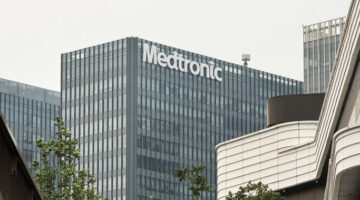
Medtronic suffered a cyberattack on its corporate IT systems. The incident highlights growing cybersecurity risks in the medtech sector, with cybergangs increasingly using phishing and other human-engineering tactics to gain access to data.

Stryker was hit by a cyberattack this week that knocked out its internal systems worldwide and caused delays to order processing and manufacturing. An Iran-linked group has claimed responsibility for the attack, but the full impact remains unclear.
There has been increased awareness of healthcare cybersecurity after last year’s massive Change Healthcare breach — but the sector remains dangerously vulnerable to cyberattacks. Experts warn that outdated systems, security staffing shortages and rushed tech adoption are leaving providers too exposed.


Healthcare payments are no longer about transactions. It’s about controlling the revenue cycle. And increasingly, that control is not sitting with ISOs.
Recognizing its vulnerability to cybercrime, the healthcare industry continues to prioritize cybersecurity. Here are some areas where organizations should be focusing their efforts.
The vast majority of healthcare organizations have spotted a cyberattack and suffered financial consequences as a result in the past 12 months, according to new research. A separate report also found that overall cyberattacks on healthcare organizations have risen by 32% year-over-year.

Ascension’s May cyberattack compromised 5.6 million patients’ personal and health information, including Social Security numbers, credit card numbers and addresses. However, there is no evidence that any data was stolen from Acension’s EHR or other clinical systems, the health system said.
More than three-quarters of healthcare organizations reported paying more than $500,000 in ransom as a result of cyberattacks, according to a new report.


Discover the top AI-powered EAP providers for 2026. Compare platforms like Kyan Health and Spring Health on triage speed, global reach, and clinical quality to transform workforce wellbeing.
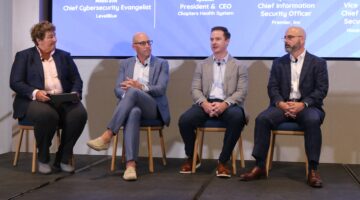
During a panel discussion at MedCity News’ INVEST Digital Health conference, three healthcare leaders shared their expert insight on what needs to change in order to improve the industry’s cybersecurity strategy.
Healthcare organizations should work proactively with experts in the relevant domains to recognize and mitigate potential cybersecurity risks. Here's what to do to mitigate risk.

Six months after Change Healthcare suffered its cyberattack, some health systems are still missing payments for patient encounters from February, according to a new report. It showed that small hospitals are still missing about 3-5% of expected net revenue for patient encounters from February.

Last week, McLaren Health Care fell victim to its second major cyberattack in less than a year. The Michigan-based health system has been working to restore its IT and phone systems over the past week, but some of these systems still remain down.

While hospitals have contingency plans for events like power outages and extreme weather — backup generators, secondary chillers, and fiber for internet coverage — they can typically neglect vulnerabilities in the revenue cycle. Here are five proactive measures for hospitals and revenue cycle management/clearing house partners.